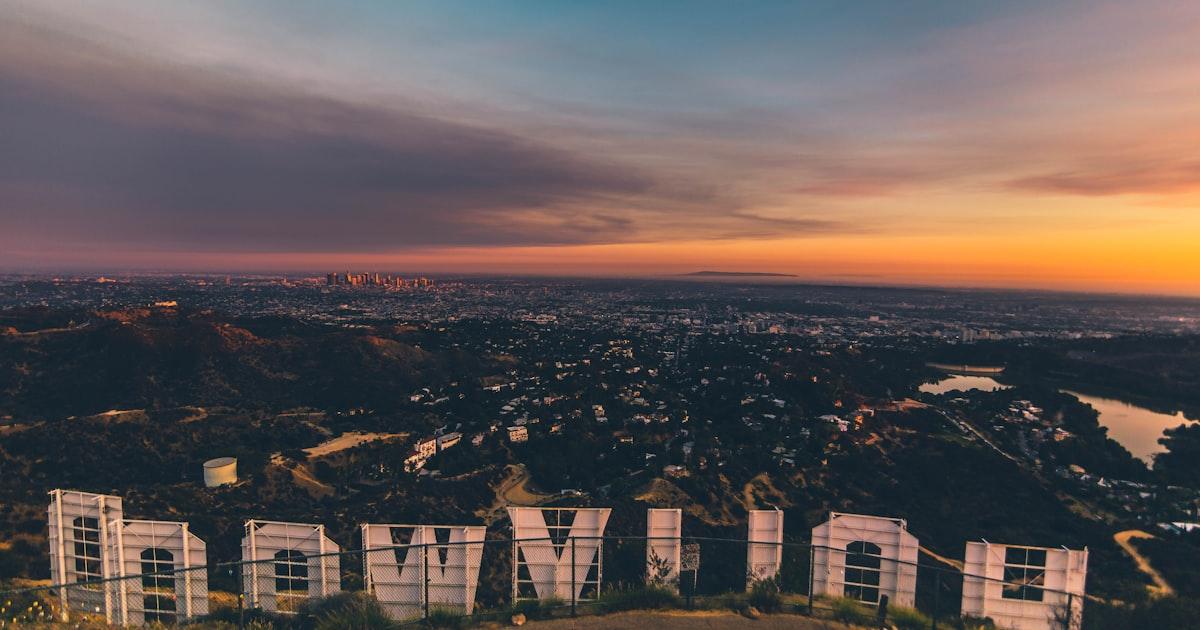
FIFA 2026 Airbnb Host Guide: Los Angeles
Eight matches at SoFi. The USMNT opener. A quarterfinal. And a regulatory environment that will block most of the supply trying to meet demand. Here's what LA hosts actually need to know.
Los Angeles is one of the headline FIFA 2026 host cities — second only to New York / New Jersey on projected per-host earnings, and home to the U.S. Men's National Team's opener and a quarterfinal. The catch is that LA is also one of the most tightly regulated short-term rental markets in the country, and the city said no to a World Cup exemption when one was floated. That combination — extraordinary demand, restricted legal supply — is the entire story for LA hosts in 2026.
This guide walks through the SoFi schedule, what the rules actually require, where the pricing power is, how guests will move around the city, and what to put in your guidebook to convert that demand into bookings and great reviews. For the broader strategy across the tournament, see the main host guide.
The Match Schedule: Eight Matches, Two Phases of Demand
SoFi Stadium in Inglewood hosts eight FIFA 2026 matches across the group stage and a single late-stage knockout. For LA hosts, that produces two distinct demand peaks: a sustained group-stage cluster in mid-to-late June, and a smaller but higher-intent spike around the early-July quarterfinal. The dates that matter most for your calendar:
- June 12 — USMNT group stage opener at SoFi. The single most-watched LA match for domestic fans and a tentpole demand night for the entire region.
- June 15 — Group stage match.
- June 18 — Group stage match.
- June 21 — Group stage match, weekend kickoff.
- June 24 — Group stage match.
- June 25 — USMNT's second SoFi group stage match. Pairs with June 12 as a high-intent travel window for U.S. fans.
- June 28 — Final group stage match at SoFi.
- July 10 — Quarterfinal. The latest-stage match LA hosts and the tournament's second pricing spike for the city.
Confirm exact opponents and kickoff times with FIFA closer to the tournament; international playoff results and final group draws can shift specific matchups even after publish. The phase shape — group cluster, then a knockout spike — is what your pricing should follow.
Regulations: LA Is Playing Defense, and the City Said No to a World Cup Exemption
Los Angeles operates under the Home-Sharing Ordinance, which has been in effect since 2019 and was tightened ahead of the tournament. The City of LA explicitly declined to create a World Cup carve-out — meaning the rules that have been reducing legal STR supply for years apply unchanged through June and July. On top of that, SB 346 took effect January 1, 2026, adding a statewide reporting and platform-enforcement layer that didn't exist for prior major events.
The five rules that matter most for LA hosts during the tournament:
- Primary residence only. You must live at the property as your primary residence (typically defined as more than half the year) to register it as a Home-Sharing rental. Investor-owned, vacation, or second homes are not eligible under the standard registration.
- 120-day annual cap on unhosted stays. Without an Extended Home-Sharing approval, you can rent your primary residence on an unhosted basis for no more than 120 nights per calendar year. Match dates count against this cap.
- Registration fees. Standard Home-Sharing registration is $89 per year. Extended Home-Sharing — the only path beyond the 120-night cap — costs $1,066 and requires an additional review.
- Citywide platform reporting under SB 346. California's new STR Facilitator Act requires platforms like Airbnb and VRBO to report listing activity to the city on a quarterly cadence by default (monthly only in jurisdictions that collect TOT monthly), and platforms face their own fines — up to $10,000 per day — for facilitating non-compliant listings.
- Fines for unregistered hosting. The city can assess penalties of $2,000 per day against hosts operating without a valid registration. Enforcement has tightened in 2025 and 2026 ahead of the tournament window.
For a side-by-side view of how LA's framework compares with the other 15 host cities, see the city-by-city regulations guide.
The Pricing Opportunity: #2 in the U.S., Just Behind NY/NJ
On per-host earnings, Los Angeles is the #2 host earnings market in the U.S., just behind New York/New Jersey. Deloitte's tournament projection puts average LA host earnings of $5,100 across the window. AirDNA/AirROI city pacing data has LA ADRs holding around $294/night for available inventory in April 2026, with match-night premiums layered on top. The pricing math is less about whether to raise rates and more about how you sequence them through the tournament: (Skip to the pricing calculator if you just want numbers.)
- USMNT matches (June 12, June 25): Highest-demand group stage dates by a clear margin. Domestic-fan demand layers on top of international, and these are the nights that justify your top group stage rate.
- Other group stage match nights (June 15, 18, 21, 24, 28): A 40–65% premium above your standard summer baseline is well within range, depending on the opponents and your listing's position.
- Quarterfinal (July 10): The single highest-pricing-power night of the LA tournament. Demand is price-inelastic — fans flying in for a quarterfinal have already committed significant travel spend.
- Bridge nights (between match dates): Don't let these sit at flat baseline rates. Group-stage clusters pull longer-stay guests who bridge multiple matches; a 15–25% premium over normal summer rates is defensible across the cluster.
Try the FIFA 2026 Pricing Calculator →
Enter your base summer rate and host city. The calculator applies the match-phase multipliers above and returns a proposed nightly price for every day in June and July 2026.
For the full tournament-wide pricing framework — including cancellation policy, dynamic pricing tools, and minimum stay coordination — see the FIFA 2026 pricing guide.
Getting Guests to SoFi: Transit Is Workable, But Plan for It
There is no rail line or people mover to SoFi. The Inglewood Transit Connector — the automated people mover that was supposed to provide a direct K Line link to the stadium — will not be operational for FIFA 2026. It has been rephased to the 2028 Olympics. That means the question every international fan asks first — "which train do I take to the stadium?" — has an answer that isn't intuitive, and your guidebook needs to handle it clearly.
Metro bus shuttles are the primary transit solution. LA Metro is running dedicated match-day shuttle service from a small set of pickup points to SoFi for $1.75 each way — the standard Metro fare. The practical pickup points to communicate to your guests:
- Hawthorne / Lennox K Line Station — closest rail-served pickup on the Metro K Line.
- Downtown Inglewood K Line Station — second K Line pickup, useful for Inglewood and surrounding stays.
- Aviation/LAX C Line / K Line Station — primary pickup for guests arriving from LAX or staying near the airport.
- Norwalk Metrolink Station — for guests staying in southeast LA County or coming in by Metrolink.
Driving is a trap. SoFi has limited stadium parking, surrounding streets are tightly residentially permitted, and traffic on match days backs up on the 405, 105, and Century Boulevard. Local hosts who try to drive their own guests will lose 60–90 minutes they didn't budget for. Push guests onto Metro shuttles or rideshare instead.
Rideshare drop-off/pickup at SoFi is concentrated in designated lots a short walk from the stadium. Drop-offs work; pickups after the final whistle can sit in 30–60 minute surge queues. Setting expectations in your guidebook (and recommending Metro shuttles for the trip back) prevents a five-star check-in turning into a one-star review.
Best Neighborhoods for Hosts
The legal-supply constraint reshapes the neighborhood picture. Some areas with the most listings on Airbnb are not the easiest to host from compliantly; others that are less obvious for tourism are well-positioned for the tournament.
Inglewood, Hawthorne, and Westchester. The closest residential neighborhoods to SoFi. Inglewood itself is a separate municipality with its own STR rules — verify before listing — but Hawthorne and Westchester (both within LA City) are well-positioned for guests who want a short shuttle ride or walkable rideshare drop. Expect the highest match-day premiums of any LA submarket.
Downtown LA and Koreatown. Strong international fan appeal — DTLA has the bar/restaurant density that traveling fan groups gravitate toward, and K-Town has the late-night dining options that match-day evenings actually need. Metro K Line / Crenshaw to Aviation / LAX gets guests to a SoFi shuttle pickup.
Hollywood and West Hollywood. The default tourist zone. International fans without strong neighborhood preferences default to here, which means demand stays steady even off match days. Transit to SoFi is a transfer (Red Line to 7th/Metro Center, then south), so set expectations on travel time.
Santa Monica and Venice. Beach-adjacent stays command the highest baseline ADRs in LA. They're a longer haul to SoFi (45–60 minutes by car off-peak, more on match days), but for guests building a longer LA trip around the tournament, the beach pull is real.
Culver City and Mid-City. The pragmatic middle. Reasonable transit to SoFi via the E Line and K Line, central location for non-match exploration, and ADRs that often beat both DTLA and the beach on a value basis. Underrated for FIFA 2026 specifically.
What to Put in Your Guidebook
International fans don't need a generic LA guide — they can find that anywhere. They need the specific things hosts are uniquely positioned to answer, in plain language, before they arrive.
Stadium logistics in plain language. Which shuttle pickup is closest to your property, what the Metro fare is, when shuttles start running before kickoff, and how to get back after the final whistle. International guests almost always misjudge LA distances on a map; a clear "here is your route, here is the fare, here is the time to leave" section is the single most useful page of any LA guidebook this summer.
The FIFA Fan Festival at the LA Memorial Coliseum (June 11–14). The official Fan Fest is at the LA Memorial Coliseum in Exposition Park for the opening four days of the tournament. Free to enter with registration, big screens, food, and a way for guests without match tickets to still feel part of the event. Direct E Line access from downtown.
Regional Fan Zones are running across LA County between June 18 and July 19, with rotating locations that cover the rest of the tournament window after the Coliseum activation closes. Have your guests check the LA Host Committee page for current dates near your neighborhood.
Practical LA logistics. Ride-hail apps, tipping norms, the difference between LAX and BUR/LGB for second-leg travel, marine layer and June Gloom (yes, it's real), and the fact that most things close earlier than fans from Madrid or Buenos Aires expect.
Universal power adapters. Provide one. U.S. outlets confound a meaningful percentage of international guests in the first hour of arrival, and a $15 multi-region adapter sitting in a kitchen drawer prevents your first guest message from being a request to find one.
For a deeper look at preparing the rest of your listing for international guests, see the international guest prep guide.
Minimum Stays and Cancellation
For LA specifically, group-stage clusters reward 3–5 night minimums that bridge USMNT match nights with the days on either side. Quarterfinal week (around July 10) is a 4–7 night minimum window — fans flying in for a single match almost always book the surrounding nights anyway, and tighter minimums cut down on turnover cost without depressing bookings.
Cancellation policy matters more than usual. International fans book months out, and many hold reservations contingent on their team advancing. A moderate cancellation policy converts more of those early bookings than a strict one will. For a full breakdown, see the minimum stay strategy guide for FIFA 2026.
Action Checklist for LA Hosts
- Verify your registration status this week. Confirm your Home-Sharing or Extended Home-Sharing registration is active and your listing displays the registration number. Hosting without one risks $2,000/day in fines, and SB 346 means platforms face their own penalties for keeping non-compliant listings live.
- Mark every SoFi match date on your calendar. Pricing, minimum stays, and availability rules should all be set against the eight match dates and the quarterfinal, not your usual summer rhythm.
- Set match-phase pricing now, not in May. International fans are searching now. Listings priced accurately by phase are the ones getting booked first.
- Build the SoFi transit section of your guidebook. Explicitly call out that there is no stadium rail line, that the Inglewood Transit Connector is not operational, and how to use Metro shuttles instead.
- Add the LA Memorial Coliseum Fan Festival to your guest welcome message. Even guests with match tickets will thank you for it (note: no rail to SoFi — Metro bus only).
- Plan your post-tournament retention now. Your World Cup guest list is a multi-year acquisition channel — see the post-FIFA guest retention guide for the playbook.

Disclaimer: This article is for informational purposes only and does not constitute legal, tax, or financial advice. STR regulations, fees, and match schedules can change. Verify current requirements with your local STR office and FIFA before acting.
Part of our FIFA 2026 hosting series.
Sources: FIFA World Cup 2026 official match schedule; Los Angeles World Cup 2026 Host Committee; LA City Planning Home-Sharing Ordinance; California SB 346 (Short-Term Rental Facilitator Act of 2025, effective January 1, 2026); LA Metro World Cup transit announcements; SoFi Stadium transportation guidance; AirDNA/AirROI LA market data (April 2026); Deloitte/Airbnb FIFA 2026 host earnings projections; LA Memorial Coliseum FIFA Fan Festival announcement; Inglewood Transit Connector project updates.
Last updated on